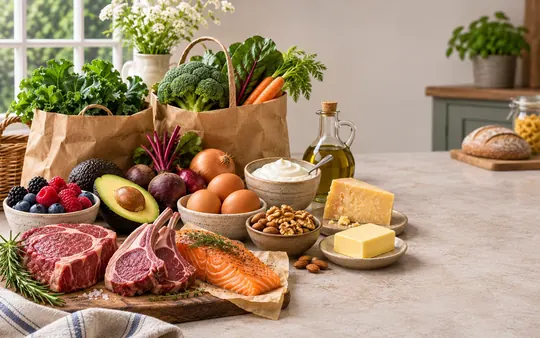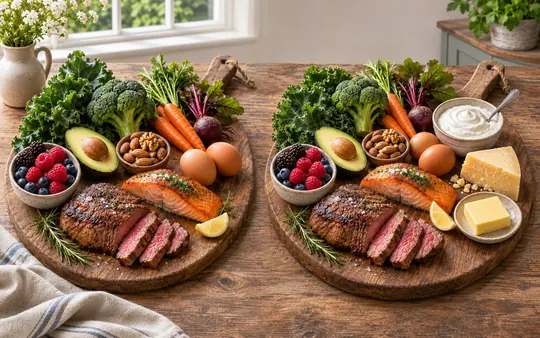
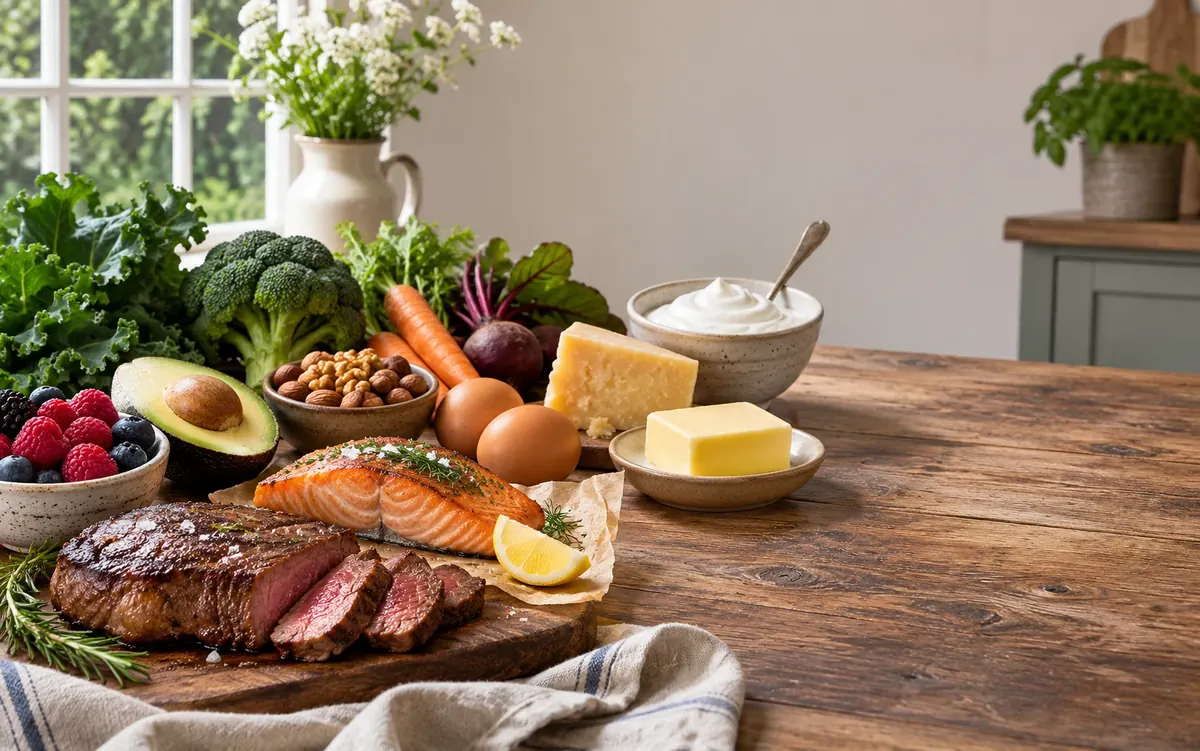
The Primal Diet is a way of eating built on the foods humans lived on before farming — meat, fish, eggs, vegetables, fruit, nuts, seeds and natural fats — with one notable relaxation: it usually keeps full-fat dairy. That single difference is what separates primal eating from strict paleo.
The thinking behind it is simple. Human biology changed very little over the last ten thousand years, but human food changed enormously. Primal eating tries to close that gap.
What is the Primal Diet, in one sentence?
Eat single-ingredient foods your ancestors would have recognised, keep butter and full-fat dairy if they agree with you, and leave out grains, sugar and industrially processed food.
What you eat on the Primal Diet
- Meat and poultry — beef, lamb, pork, chicken, turkey, game and offal
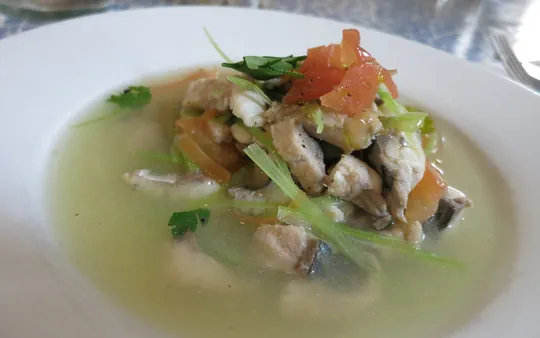
- Fish and seafood — mackerel, salmon, sardines, herring, white fish, shellfish
- Eggs — whole, yolks included
- Vegetables — all of them, including some starchy roots
- Fruit — berries especially, plus apples, pears, citrus and stone fruit
- Nuts and seeds — and nut butters with nothing added
- Natural fats — olive oil, coconut oil, avocado, dripping, butter and ghee
- Full-fat dairy — butter, hard cheese and natural yoghurt, if you tolerate them
- Herbs and spices — every one
What the Primal Diet leaves out
- Grains — wheat, bread, pasta, rice, oats, barley and rye
- Legumes — beans, lentils, chickpeas, peas, soya and peanuts
- Refined sugar — sweets, fizzy drinks, fruit juice and syrups
- Refined seed oils — sunflower, rapeseed, corn and soya oil
- Ultra-processed food — ready meals, most cereals, crisps and biscuits
- Low-fat dairy — the fat is the part primal eating keeps
Primal versus paleo
They share the same foundation. The differences are small and practical:
- Dairy. Paleo excludes it. Primal keeps full-fat dairy — butter, hard cheese, natural yoghurt — for people who tolerate it.
- Starch. Primal tends to be more relaxed about potatoes and white rice around exercise.
- Emphasis. Primal usually comes bundled with sleep, daylight and low-intensity movement, not just food.
In practice most people land somewhere between the two. Our fuller comparison goes through the differences one at a time.
Why people try it
Usually one of three reasons: losing weight without counting calories, flagging energy in the afternoons, or simply being tired of reading ingredients lists. The practical appeal is that it removes decisions — once bread, pasta and packets are out, the weekly shop gets much simpler.
What the evidence supports
Moving towards whole foods, vegetables, fish and home cooking is a direction most UK dietary advice would recognise as sensible. But the Primal Diet departs from the NHS Eatwell Guide by excluding starchy carbohydrates and pulses, and cutting out whole food groups makes fibre and some B vitamins harder to get. Keeping dairy does at least make calcium easier than on strict paleo.
It is a way of eating, not a treatment. If you are pregnant or breastfeeding, managing diabetes or another long-term condition, taking regular medication, or have a history of disordered eating, speak to your GP or a registered dietitian first.
How to start
Pick a date, do one proper shop, and keep the first few days simple. Our primal food list covers what to buy, and the Primal Diet guides turn it into weeks of planned meals.
Frequently asked questions
What is the Primal Diet?
The Primal Diet is a way of eating built on the foods humans lived on before farming — meat, fish, eggs, vegetables, fruit, nuts, seeds and natural fats — while keeping full-fat dairy such as butter, hard cheese and natural yoghurt.
What is the difference between the Primal Diet and paleo?
Paleo excludes dairy entirely; primal keeps full-fat dairy for people who tolerate it. Primal is also more relaxed about potatoes and white rice around exercise, and is usually presented as a lifestyle including sleep and movement, not only food.
What can you not eat on the Primal Diet?
Grains such as wheat, rice and oats; legumes including beans, lentils, peas, soya and peanuts; refined sugar; refined seed oils such as sunflower and rapeseed; ultra-processed food; and low-fat or flavoured dairy, which usually carries added sugar.
Is the Primal Diet healthy?
Moving towards whole foods, vegetables, fish and home cooking is a positive direction, but the diet departs from NHS Eatwell Guide advice by excluding starchy carbohydrates and pulses, so fibre and some B vitamins need planning. Keeping dairy does make calcium easier than on strict paleo.

PrimalDiet.co.ukWe are passionate about helping people learn about the Primal Diet and improving their health. This article is for information only and is not medical advice — see our disclaimer.